

Sub-Total: £0.00
Women's Health
Menopause & Perimenopause
We listen, explain, and support your journey
Menopause and perimenopause can touch every part of your life — your body, sleep, mood, confidence, relationships and work. Yet too many women are left feeling rushed or unheard. At Solasta, our specialist women's health service offers unhurried appointments, clear explanations and evidence-based care tailored to your symptoms, values and long-term health. No one should have to "just put up with it" — together we'll create a personalised plan so you can feel like yourself again.

Specialist-ledBritish Menopause Society trained
Unhurried appointmentstime to be heard
HRT & non-hormonalbalanced, evidence-based options
Personalised planshared decision-making
Led by Dr Linda Kelly
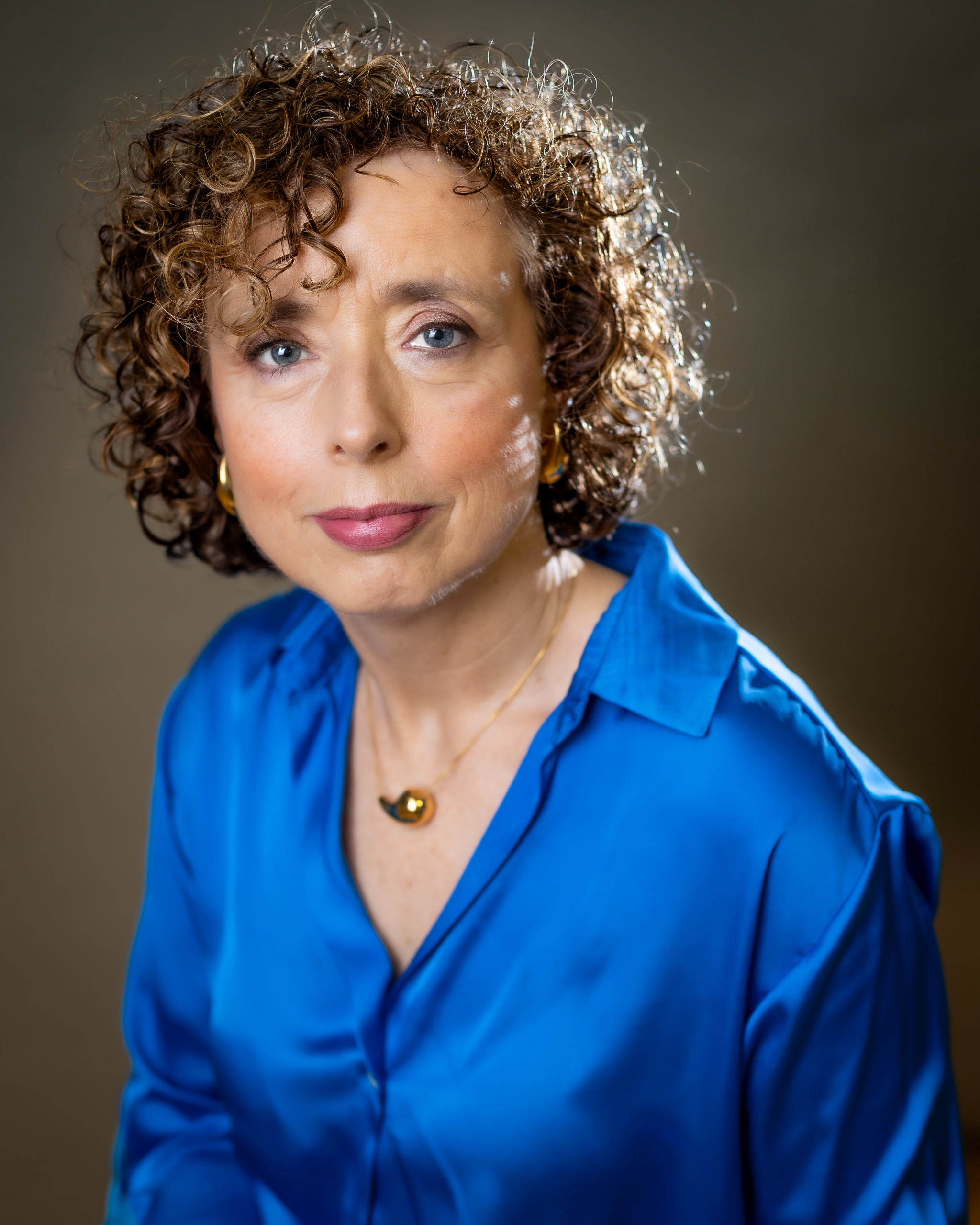
Dr Linda Kelly
MB BCh BAO, DRCOG, DCH, DMH, MRCGP · British Menopause Society Certificate in the Principles & Practice of Menopause Care (2026) · Member of the British Menopause Society
Dr Kelly has worked as a full-time GP for over 26 years in a busy inner-city practice in Belfast, with extensive experience in women's health, and has been an undergraduate tutor at Queen's University Belfast Medical School.
She is passionate about supporting women through perimenopause and menopause — helping them understand the changes they're experiencing and empowering them to make informed decisions. Her advanced training through the British Menopause Society underpins an approach focused on improving quality of life, optimising long-term health and reducing the risks of untreated symptoms.
What is perimenopause?
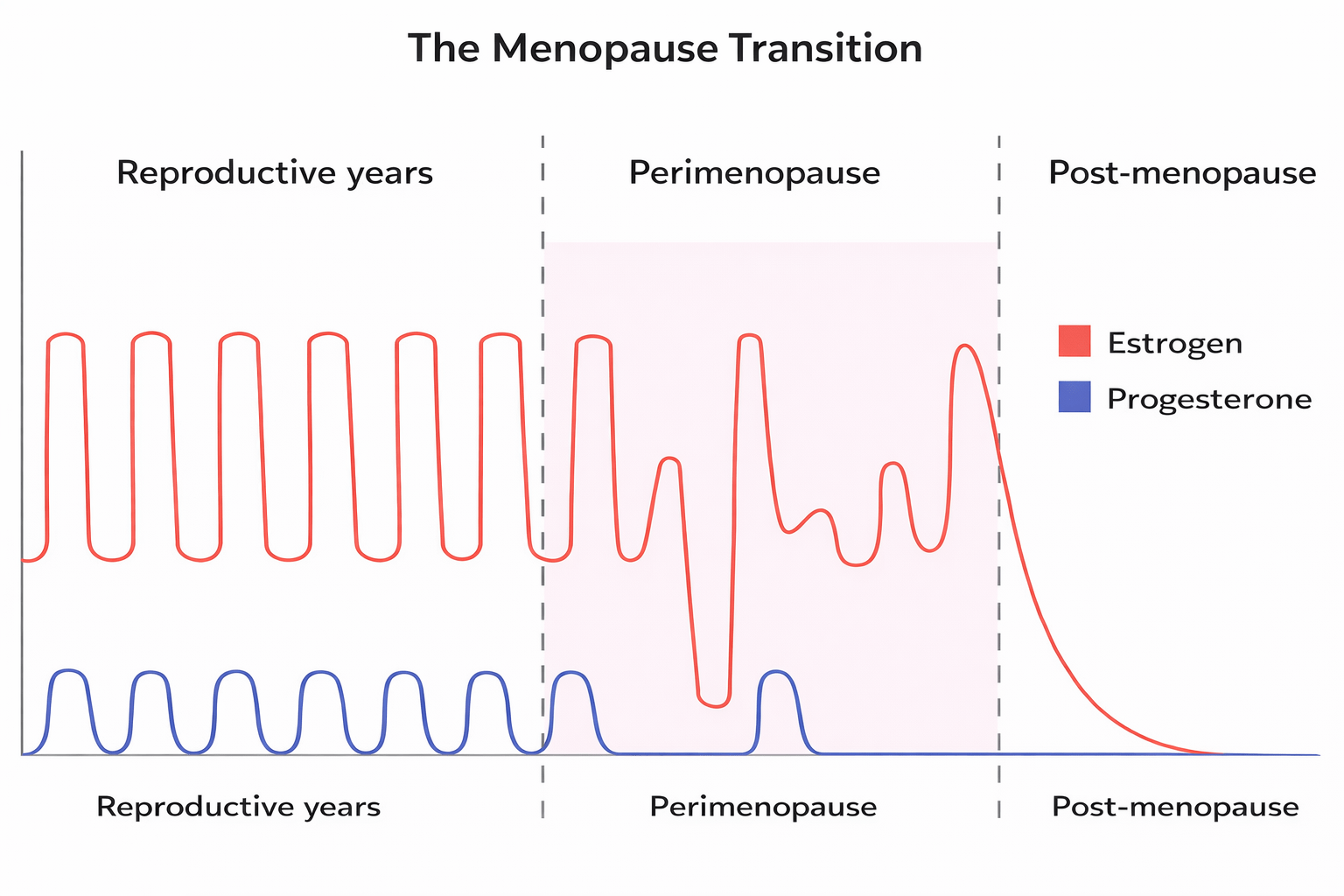
Perimenopause is the stage leading up to menopause, when your hormone system is recalibrating — sometimes called a "second puberty." Because of this shift, it's the stage when you're most likely to experience symptoms. Everyone's perimenopause is different, but it's often described in four stages.
Stage 1 — Early perimenopause
Your menstrual cycle is often still fairly regular, but ovulation may become less consistent. You might have occasional sporadic ovulation, or more anovulatory cycles (where no egg is released). When ovulation doesn't occur, your body produces less progesterone — which is mainly made after ovulation — and this drop can contribute to early hormonal shifts and subtle symptoms.
Stage 2 — Early menopause transition
Your cycles begin to shift and become noticeably more irregular, with length varying by more than 6–7 days from month to month. Progesterone is often low, while oestrogen can be higher but unpredictable and fluctuating. When oestrogen drops it may fall sharply, and these sudden dips can trigger or worsen symptoms like hot flushes and night sweats.
Stage 3 — Late menopause transition
You may begin missing periods and experience your first cycle lasting longer than 60 days. Oestrogen levels start to decline overall, even though they can still fluctuate. Because of this gradual loss, symptoms linked to higher oestrogen (such as breast tenderness) may begin to ease — but the swings and lower oestrogen can make hot flushes and night sweats more frequent or intense.
Stage 4 — Late perimenopause
Your periods may have stopped and ovulation has usually ended, but you haven't yet gone 12 full months without a period, so menopause isn't official. Oestrogen is typically lower, so symptoms linked to high or fluctuating oestrogen often begin to ease, and mood swings and sleep issues may start to stabilise. Hot flushes and night sweats can still continue for some time as your body adjusts.
Common symptoms across the four stages
Perimenopausal symptoms stem largely from losing progesterone as well as fluctuating oestrogen. The most commonly reported include:
Cycle changesHeavier or longer periods, shorter or irregular cycles.
Physical changesWeight gain, sore breasts, changes in libido, vaginal dryness.
Sleep changesMore frequent waking, difficulty getting to sleep, insomnia.
Mood changesMore frequent mood changes, irritability, rage and increased PMS.
Vasomotor changesThe onset of night sweats and hot flushes.
New allergy symptomsHay-fever-type symptoms or the onset of new allergies.
Our perimenopause & menopause services
Support is very individual, so we offer a range of services for wherever you are in your journey. Each includes clear explanations, shared decision-making and a personalised care plan. Our services are suitable if you are:
✓Experiencing symptoms of perimenopause or menopause
✓Unsure whether menopause explains how you feel
✓Considering HRT or reviewing current treatment
✓Looking for clear, balanced advice
✓Wanting continuity with a trusted, specialist GP
In-Clinic Menopause ConsultationA unique journey for you — our specialists guide you through each step with understanding, compassion and personalised care.Learn more ›
Virtual Menopause ConsultationA comprehensive review of your health history and symptoms, addressing your concerns in a private, secure online setting.Learn more ›
HRT Initiation & Treatment ReviewBuilt around your experience — whether switching to a body-identical regime, adjusting dose, formulation or route, or exploring newer options.Learn more ›
Non-Hormonal Menopause CareEvidence-based, non-hormonal care supporting symptom relief, wellbeing and long-term health through lifestyle, medical and holistic options.Learn more ›
Menopause & HRT FAQs
How do I know I've started the menopause?
Menopause is defined as the point at which you've had no natural period for 12 months; the lead-up is perimenopause. Many women won't know exactly when this is — for example if you're on progesterone-only contraception, have had heavy periods treated with ablation, or have no womb but intact ovaries. Symptoms often develop gradually and can start at any age, so don't wait until you've missed 12 months of periods — seek advice as soon as you feel you may be developing symptoms, as early treatment can help.
What are the symptoms to look out for?
Symptoms are often due to low or fluctuating oestrogen, progesterone and testosterone, and because hormone receptors are found throughout the body, they can affect you head to toe. Headline symptoms include changes to periods, hot flushes, night sweats, weight gain and vaginal dryness. Early signs are often subtle — new or increasing anxiety, feeling overwhelmed, irritability, mood swings, low mood, low confidence, memory problems and brain fog, alongside tiredness, palpitations, headaches, joint aches, recurrent urinary symptoms, painful sex and changes in libido.
What is HRT actually replacing, and why?
HRT replaces the reproductive sex hormones that fluctuate during perimenopause and stay persistently low afterwards — most commonly 17-beta-estradiol, estriol, progesterone and testosterone. These hormones help maintain normal function in cells throughout the body, which is why a deficiency can cause such a wide range of symptoms across every system.
If I take HRT, how long do I stay on it?
There's no fixed time frame — you can stay on HRT for as long as you need, provided you have regular reviews to ensure it remains in your best interests. An annual, individualised review of the risks versus benefits is best practice, and a planned break can help judge whether symptoms have settled. The aim is always the lowest effective dose to manage your symptoms.
How long must I be perimenopausal before the NHS will prescribe HRT?
You shouldn't have to suffer for any set period if symptoms are causing difficulty. Some clinicians were trained to view HRT as unsafe, which can limit access. If you're being asked to wait a defined time, a private perimenopause assessment may help — we can often tailor a plan and ask your NHS GP to take over prescribing once your symptoms are stabilised.
What are the alternatives to HRT?
HRT remains the most effective way to manage the root cause of symptoms, but there are alternatives — important especially for women who can't use HRT. Certain anti-anxiety and antidepressant medications can help mood and hot flushes; calcium, vitamin D and bone medications support bone health; and specialist women's-health and pelvic physiotherapists help musculoskeletal and pelvic concerns. Four lifestyle pillars also matter: nutrition (stable blood sugar, fibre- and plant-rich diet, omega-3s, calcium, vitamin D, less alcohol); movement (varied activity including strength and weight-bearing exercise); sleep (prioritised, with good light habits and less caffeine/alcohol); and stress management (breathing, mindfulness, boundaries and self-care). There's no strong evidence for specific herbal supplements.
Is weight gain a symptom, and can anything stop it?
Weight gain is very common and is a normal response to falling oestrogen — the body increases fat cells that can convert other hormones into oestrogen, while lower oestrogen and testosterone slow metabolism. Eating well (low-GI whole foods, and crucially not starving/dieting, which raises stress hormones), regular weight-bearing and aerobic exercise, cutting down alcohol and avoiding processed, salty foods can all help.
When is the best time to start HRT, and what are the options?
If it's safe for you, starting early in perimenopause can help — particularly when symptoms affect quality of life — and may prevent some deficiency symptoms developing. Everyone is different. A common, safe approach combines transdermal (through-the-skin) oestrogen with body-identical progesterone where needed, plus vaginal oestrogen for local urogenital symptoms and transdermal testosterone for symptoms such as low desire. Taking planned breaks to reassess is good practice, using the lowest effective dose. There's no longer a fixed cut-off age for HRT.
Do I have to take HRT if I come to a menopause clinic?
No. A consultation is about understanding your symptoms and options, not pushing a particular treatment. Some women choose HRT; others prefer non-hormonal or lifestyle approaches. Effective non-hormonal options include medications for hot flushes or mood, sleep and anxiety support, and symptom-targeted strategies — used alone or alongside other treatments.
Will HRT affect my breast cancer risk?
The effect depends on the type of HRT, how long it's used and your individual background risk. Your clinician will explain this in a clear and balanced way using up-to-date evidence, so you can make an informed decision.
Can menopause treatment help mental health symptoms?
Yes. Hormonal changes can contribute to anxiety, low mood, irritability and brain fog. Menopause treatment can help, though psychological support or talking therapies may also be recommended where appropriate.
How often will I need follow-up?
Initial follow-up is usually at 6–12 weeks, and once you're stable, reviews are typically annual. Follow-up ensures your treatment remains safe, effective and appropriate for you.
Useful links
For more information, visit our Menopause FAQ Resource Centre, or these trusted organisations:
Book your consultation online or call 028 40 648486
Book a consultation or explore the option that suits you best.
This page is general information about Solasta Healthcare's menopause service and is not personal medical advice. HRT and other treatments are prescription-only and provided where clinically appropriate, following consultation and assessment. If you have urgent symptoms, seek medical help promptly.