

Sub-Total: £0.00
Ophthalmology · Cataract Surgery
Superior Lens Choice
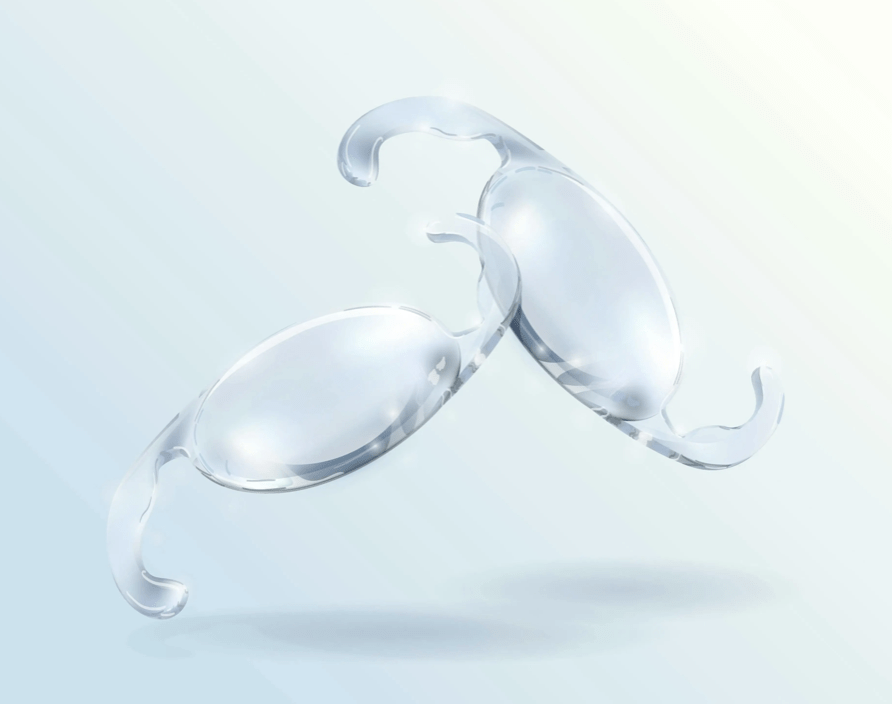
Premium intraocular lenses, tailored to how you want to live
Choosing the right lens is one of the most important parts of cataract surgery. Cataract surgery is a once-in-a-lifetime opportunity that affects your every day — so our consultant surgeons take the time to match the right intraocular lens (IOL) to your eyes, your lifestyle and your visual goals, for the best possible outcome and long-lasting comfort.

Alcon technologypremium IOL portfolio
125M+ eyestreated with Alcon IOLs worldwide*
Consultant-ledlens choice, every time
Lifestyle-matchedtailored to your vision goals
Lens choices to match your lifestyle
There is no single "best" lens — only the best lens for you. The right choice depends on how you spend your days: whether you drive at night, read for hours, work at a screen, play sport or simply want the most natural vision possible. Here are the main options your consultant will discuss with you.
Monofocal
Sharp, high-quality vision at one chosen distance — usually set for distance, so driving, television and the outdoors look crisp and clear. It gives the most natural night vision with minimal glare, and you'll typically wear glasses for close tasks like reading.
★Best if you want the sharpest possible distance vision and don't mind reading glasses.
Toric
Designed for eyes with astigmatism. A toric lens corrects the cornea's irregular curve at the same time as removing the cataract, sharpening vision and reducing dependence on glasses. It's available across both standard and advanced lens types.
★Best if you have significant astigmatism and want clearer vision with less reliance on glasses.
Extended Depth of Focus (EDOF)
A continuous, extended range of vision — excellent distance plus functional intermediate vision for the car dashboard, computer and kitchen, and some near vision — with fewer night-time visual disturbances than multifocal lenses. Solasta uses Alcon's AcrySof IQ Vivity®.
★Best if you want more freedom from glasses for everyday tasks while keeping clean, comfortable night vision.
Multifocal / Trifocal
Engineered for the greatest spectacle independence across near, intermediate and distance — ideal for reading and screens without glasses. Some people notice haloes or glare around lights at night, which usually settles over time. Suitability is assessed individually.
★Best if reading and close-up work without glasses is your top priority.
The lenses we use
Our surgeons use Alcon’s technology and lenses — a comprehensive portfolio chosen for clarity, quality and proven long-term outcomes.
Clareon® Monofocal (and Toric)Alcon’s most advanced, clinically proven monofocal design — engineered for outstanding clarity and exceptionally sharp, crisp distance vision, with functional intermediate vision and long-lasting stability. Available in a toric option to correct astigmatism.
AcrySof IQ Vivity® (EDOF)An extended depth-of-focus lens delivering excellent distance, intermediate and functional near vision in a continuous range — with night vision closer to a monofocal than a multifocal.
Excellent quality of vision — long-lasting visual outcomes
Unsurpassed clarity — sharp, crisp vision
Trusted by surgeons — Alcon IOLs used worldwide
Lens quality and long-term clarity: the evidence
Backed by national data
Posterior capsule opacification (PCO), sometimes called "after-cataract", is the most common long-term effect of cataract surgery. Months or even years after an otherwise successful operation, the thin membrane that holds the lens can gradually cloud, causing vision to blur again. It is easily and painlessly treated with a quick laser procedure — a YAG laser capsulotomy — but how likely PCO is to develop is influenced by the quality, material and design of the lens that is implanted.
The Royal College of Ophthalmologists’ National Ophthalmology Database (NOD) Audit examined post-cataract PCO across UK practice — looking at how rates of PCO and follow-up YAG laser treatment vary by lens model, material and design, and at the risk factors involved. Alongside large UK real-world studies of tens of thousands of eyes, the evidence is consistent: PCO and YAG capsulotomy rates differ significantly between lens materials, with modern hydrophobic acrylic lenses showing notably lower rates than hydrophilic ones.
That’s why we choose high-quality hydrophobic acrylic lenses from Alcon. The Clareon® platform — the successor to the extensively studied AcrySof® material — is engineered for clarity and long-term stability, helping protect the clear result of your surgery for years to come. Your consultant will always match the most appropriate lens to your eyes and your goals.
References
- The Royal College of Ophthalmologists’ National Ophthalmology Database Audit — Feasibility Study of Post-cataract Posterior Capsule Opacification (PCO Report, 2021). nodaudit.org.uk
- Ursell PG, et al. Three-year incidence of Nd:YAG capsulotomy and posterior capsule opacification and its relationship to monofocal acrylic IOL biomaterial: a UK Real World Evidence study. Eye (Lond). 2018;32:1579–1589. View study
- Ursell PG, et al. 5-year incidence of YAG capsulotomy and PCO after cataract surgery with single-piece monofocal IOLs: a real-world evidence study of 20,763 eyes. Eye (Lond). 2020. View study
How we help you choose
Share your questions about cataracts and your hopes for your vision with us. Your consultant will guide you through every option so you can make a confident, informed choice.
1A detailed consultation and full eye assessment
2Understanding your lifestyle, hobbies and visual priorities
3Precise biometry and measurements for lens selection
4A personalised lens recommendation from your consultant
Lens choice FAQs
Will I still need glasses after surgery?
It depends on the lens you choose. A monofocal lens gives excellent vision at one distance (usually distance), so most people still use reading glasses for close work. An extended depth-of-focus lens reduces the need for glasses for everyday tasks, and multifocal or trifocal lenses aim for the greatest freedom from glasses across near, intermediate and distance. Your consultant will match the lens to your goals.
What is PCO (posterior capsule opacification)?
PCO, sometimes called “after-cataract”, is the most common long-term effect of cataract surgery. Months or even years later, the thin membrane behind the lens can cloud and blur your vision again. It is easily and painlessly treated with a quick YAG laser procedure, and a high-quality lens material helps reduce the chance of it developing.
Can astigmatism be corrected at the same time?
Yes. If you have astigmatism, a toric lens corrects the cornea’s irregular curve while treating the cataract, sharpening your vision and reducing your reliance on glasses. Toric options are available across both standard and advanced lens types.
How is the right lens chosen for me?
Through a detailed consultation and full eye assessment, precise measurements (biometry), and a discussion of your lifestyle and visual priorities. Your consultant then recommends the most suitable lens for your eyes and your goals — there is no single “best” lens, only the best lens for you.
Is the lens permanent?
Yes. An intraocular lens is designed to stay in place permanently and does not need to be replaced — it becomes a natural, lasting part of your eye.
Will a multifocal lens affect my night vision?
Some people notice haloes or glare around lights at night with multifocal or trifocal lenses, which usually settles over time. If clean night vision is a priority, an extended depth-of-focus lens offers night vision closer to a monofocal. Your consultant will talk you through the trade-offs before you decide.
Invest in your vision
Book a consultation and let's find the right lens for your eyes, your lifestyle and your future.
Book a consultation About cataract surgery*Figure reported by Alcon. This page provides general information about intraocular lens options and is not personal medical advice. Lens suitability and visual outcomes vary between individuals and are determined by your consultant following a full assessment. Posterior capsule opacification, if it occurs, is treatable with a YAG laser capsulotomy.