
Sub-Total: £0.00
Men's Health
Testosterone Replacement Therapy
Reclaim your energy, strength & confidence with TRT
At Solasta Healthcare, our men's health service is built around supporting you at every stage of adult life. A core focus is Testosterone Replacement Therapy (TRT) — a medically guided treatment that addresses the root causes of hormone imbalance rather than simply masking symptoms. Persistent issues such as fatigue, reduced libido, unexplained weight gain, brain fog, mood changes or loss of muscle and strength can often be linked to low testosterone.
If you've noticed you're not feeling like yourself — lacking drive, low on energy, or finding it harder to maintain your usual strength and focus — low testosterone may be playing a part. Our medically supervised TRT programmes restore hormone levels to a healthy, optimal range safely and responsibly, through comprehensive testing, a personalised treatment plan and ongoing monitoring. The goal isn't just better lab numbers — it's helping you regain vitality, confidence and clarity.
✓Doctor-led care
✓Comprehensive bloodwork
✓Personalised TRT plan
✓Ongoing monitoring

Dr Liam Jordan
General PractitionerMB BCh BAO, MRCGP
Leads our men's health service, supporting men through testosterone assessment, treatment and ongoing care.
Book your consultation online or call 028 40 648486
You can choose your appointment and pay securely below.
Testosterone Replacement Therapy is a prescription-only treatment provided where clinically appropriate, following consultation, assessment and blood testing. This information is general and not personal medical advice.
Men's Health
Testosterone Replacement Therapy
We provide comprehensive, patient-centred men's health services. A core focus is medically supervised Testosterone Replacement Therapy (TRT) — addressing the root causes of hormone imbalance rather than masking symptoms. Persistent issues such as fatigue, reduced libido, weight gain, brain fog, mood changes or loss of muscle can often be linked to low testosterone, and we help men rebalance their hormones safely, effectively and responsibly.
Medically supervisedclinician-led throughout
Comprehensive bloodsadvanced hormone panel
Personalised plantailored to your goals
Ongoing monitoringregular review & follow-up
What is TRT?
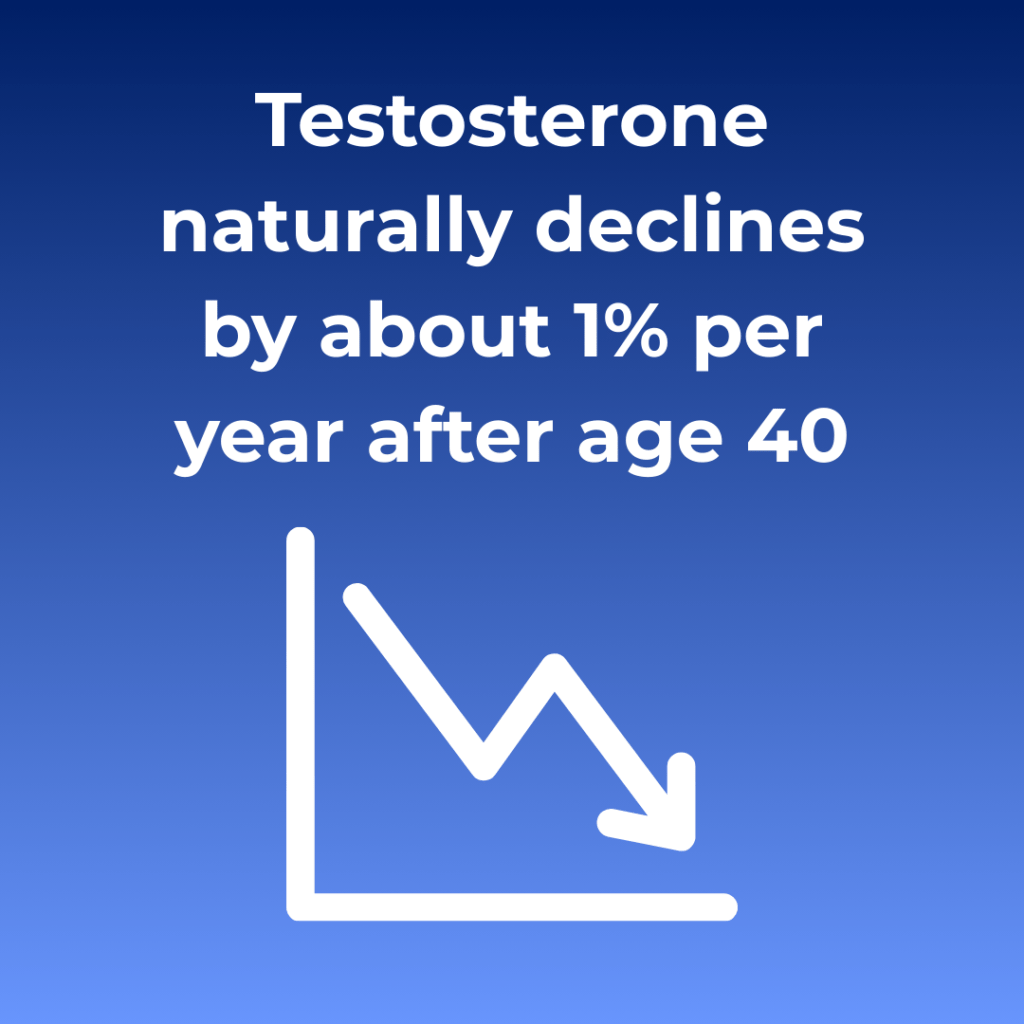
Testosterone is the primary male sex hormone. As men age, levels naturally decline — but some experience low testosterone (Low T) earlier or more severely than expected. TRT is a medically guided treatment that restores levels to a healthy, optimal range to help relieve symptoms and improve wellbeing. Testosterone supports:
Muscle mass and strength
Libido and sexual performance
Energy levels
Mood and mental clarity
Bone density
Fat distribution
Signs & symptoms of low testosterone
You may benefit from a hormone assessment if you recognise some of these:
Persistent fatigueOngoing tiredness or low energy that rest doesn't fix.
Low libido or erectile difficultiesA drop in sex drive or sexual performance.
Increased body fatWeight gain that's hard to shift, especially around the middle.
Loss of muscle massReduced strength and harder-to-maintain muscle.
Low mood or irritabilityMood fluctuations, low motivation or feeling flat.
Brain fogPoor concentration, focus or mental clarity.
Our approach to men's health
A personalised, evidence-based approach to testosterone optimisation — from first assessment through to safe, long-term care.
1
Assessment & diagnosis
Detailed medical history & health check
Your journey begins with a comprehensive review of your medical history — past and current conditions, medications, previous hormone treatments, family history and your symptoms. This builds a complete clinical picture and ensures any recommendations are safe and tailored to you.
Lifestyle evaluation & routine
Hormone health is closely linked to daily habits, so we explore diet, exercise, sleep, stress, alcohol and work-life balance. Assessing these areas helps us identify ways to optimise your health alongside treatment, supporting long-term rather than short-term results.
Advanced bloodwork & hormone panel
Accurate diagnosis starts with comprehensive testing. We measure key markers including total and free testosterone, oestradiol and SHBG, plus broader markers such as cholesterol, liver function, red blood cell count and metabolic health — so any treatment is appropriate and safe, based on evidence rather than guesswork.
2
Personalised treatment
Custom protocol tailored to your goals
Once your results are reviewed, our clinicians design a personalised protocol based on your hormone levels, symptoms and overall health — not a one-size-fits-all approach. The aim is to restore testosterone to a healthy, optimal range while supporting energy, performance, mood and wellbeing.
Ongoing monitoring & dose optimisation
Treatment is most effective when carefully monitored and adjusted. We review your progress through follow-up blood tests and symptom tracking, making refinements where needed to keep your levels stable and within an optimal range while minimising potential side effects.
Regular follow-up appointments
Regular reviews are an essential part of safe, effective treatment. They're your chance to discuss how you feel, review progress and raise questions, while we evaluate symptom improvements, review results and keep your plan aligned with your health goals.
3
Long-term safety & care
Routine lab testing
At regular intervals we repeat blood tests to monitor testosterone, oestrogen balance, red blood cell count, cholesterol and liver function — tracking how your body responds, keeping levels healthy and catching any changes early.
Cardiovascular risk monitoring
Therapy is always managed with your broader health in mind. We monitor indicators linked to heart health, such as blood pressure, cholesterol and red blood cell count, so your treatment supports both hormonal balance and long-term cardiovascular wellbeing.
Prostate health screening
Prostate health is an important consideration. We monitor PSA through routine blood testing and discuss any relevant urinary or prostate symptoms, helping ensure treatment remains appropriate and safe for your individual profile.
Adjustment of therapy
Hormone therapy isn't static. Based on your results, symptom improvements and wellbeing, we may refine dose, timing or delivery — carefully and gradually — to maintain stable levels, minimise side effects and deliver consistent, lasting benefit.
What results can you expect?
Every man's experience is unique, but as levels return to a healthy range many patients notice positive changes — often starting with energy in the first few weeks, followed by mood, focus and libido.
✓Improved energy within weeks
✓Better mood and focus
✓Increased libido
✓Easier muscle building and recovery
✓Reduced body fat
The goal isn't to turn you into someone else. It's to help you feel like the best version of you.
TRT FAQs
What is Testosterone Replacement Therapy (TRT)?
TRT is a medical treatment designed to restore testosterone in men with clinically low levels. Carefully prescribed testosterone is given under medical supervision to help improve symptoms such as fatigue, low libido, reduced muscle mass, mood changes and poor concentration, bringing levels back into a healthy range to support overall wellbeing.
How do I know if I have low testosterone?
The only way to confirm it is with a blood test. Many men investigate after symptoms such as persistent tiredness, low sex drive, reduced strength, weight gain, brain fog, irritability or low motivation. At Solasta we assess both your symptoms and laboratory results before determining whether TRT is appropriate.
What tests are required before starting TRT?
A comprehensive hormone panel — typically total and free testosterone, SHBG, oestradiol and relevant markers such as cholesterol, liver function and red blood cell count. These confirm whether a deficiency is present and ensure treatment can be prescribed safely.
How is TRT administered?
It can be delivered in several ways depending on your needs and preferences, commonly including injections, topical gels or creams, and occasionally patches. Your clinician will discuss the advantages of each and recommend the most suitable method for your lifestyle, history and goals.
How long does it take to see results?
Many men notice improvements in energy, mood and mental clarity within the first few weeks, with libido often improving over several weeks. Physical changes such as increased muscle, strength and fat loss tend to develop gradually over several months as levels stabilise.
Is TRT safe?
When prescribed appropriately and monitored by experienced clinicians, TRT is considered safe for suitable candidates. Regular blood tests, health monitoring and follow-up consultations are essential to keep levels balanced and minimise potential risks.
Will I need TRT for life?
It depends on the underlying cause. Some men need long-term therapy because their bodies no longer produce sufficient testosterone naturally. Your clinician will discuss expectations and whether TRT is likely to be short-term or ongoing for you.
Are there side effects of TRT?
Like any treatment, TRT can have potential side effects, which may include acne, fluid retention, an increased red blood cell count or changes in cholesterol. With proper monitoring and dose adjustments these can usually be managed. It can also temporarily reduce testicular size and sperm count; if fertility is a concern, additional medication can be prescribed alongside TRT to help maintain natural testicular function — your clinician will discuss the options.
Will TRT affect fertility?
Testosterone therapy can reduce sperm production and may affect fertility while on treatment. If you plan to have children in future, it's important to discuss this before starting, as alternative or fertility-preserving strategies can sometimes be considered.
How do I get started with TRT?
The first step is to book a consultation and have a comprehensive blood test to assess your hormone levels and overall health. Once reviewed, a clinician will discuss whether TRT is appropriate and, if so, develop a personalised plan tailored to you.
What causes low testosterone in men?
Testosterone naturally declines with age, but chronic stress, poor sleep, obesity, certain medications, underlying conditions and lifestyle factors such as inactivity or excess alcohol can accelerate it. Sometimes the testes or pituitary gland may not function properly. A full assessment helps determine the likely cause.
What testosterone level is considered low?
Levels are measured in the blood and the normal range varies by laboratory and individual. Generally, levels below around 300 ng/dL (about 10 nmol/L) are considered clinically low — but treatment decisions are never based on numbers alone; symptoms, overall health and other hormone markers are also considered.
Will TRT help with weight loss?
TRT is not a weight-loss treatment, but optimising testosterone can make it easier for many men to lose excess fat. Testosterone plays a role in metabolism, muscle maintenance and fat distribution, so when levels are restored many men find it easier to build muscle and reduce body fat alongside proper nutrition and training.
Can TRT improve sexual health?
Testosterone is closely linked to male sexual health. Low levels can contribute to reduced libido and performance, so restoring them to a healthy range often improves sex drive, erectile function and confidence — though results vary depending on other health factors.
What happens if low testosterone is left untreated?
Symptoms may persist or gradually worsen — continued fatigue, reduced motivation, declining muscle mass, increased body fat and low libido. Long-term deficiency may also affect bone density and metabolic health, so addressing imbalances early supports both physical health and quality of life.
Is TRT the same as taking anabolic steroids?
No. Medically prescribed TRT aims to restore testosterone to a normal physiological range, whereas anabolic steroid abuse involves extremely high doses to enhance muscle growth. TRT is carefully prescribed and monitored to support health, not performance enhancement.
How often will I need blood tests while on TRT?
Tests are typically done several times during the first year to ensure your levels respond appropriately. Once treatment stabilises, testing is usually periodic to monitor testosterone and other markers, keeping therapy safe, effective and balanced.
Can younger men have low testosterone?
Yes. Low testosterone isn't limited to older men — increasingly, men in their 20s, 30s and 40s experience symptoms linked to hormone imbalance. Lifestyle, stress, poor sleep and metabolic factors may contribute. If symptoms are present, testing can help determine whether levels are playing a role.
Can lifestyle changes improve testosterone levels?
In some cases, yes. Better sleep, a healthy weight, regular exercise, stress management and a balanced diet can all support natural production. However, if levels are significantly low, lifestyle changes alone may not fully resolve it and medical treatment may be recommended.
Do I need a consultation before starting TRT?
Yes. TRT should always begin with a professional medical consultation so your clinician can review your symptoms, history and blood results before recommending treatment — ensuring any therapy is appropriate and prescribed safely and responsibly.
Book your consultation online or call 028 40 648486
This page is for general information about Solasta Healthcare's medically supervised service and is not medical advice or a recommendation to take any specific medicine. TRT is a prescription-only treatment provided only where clinically appropriate, following consultation, assessment and ongoing monitoring by a qualified clinician.