

Sub-Total: £0.00
Understanding HRT – A Modern Guide For Women
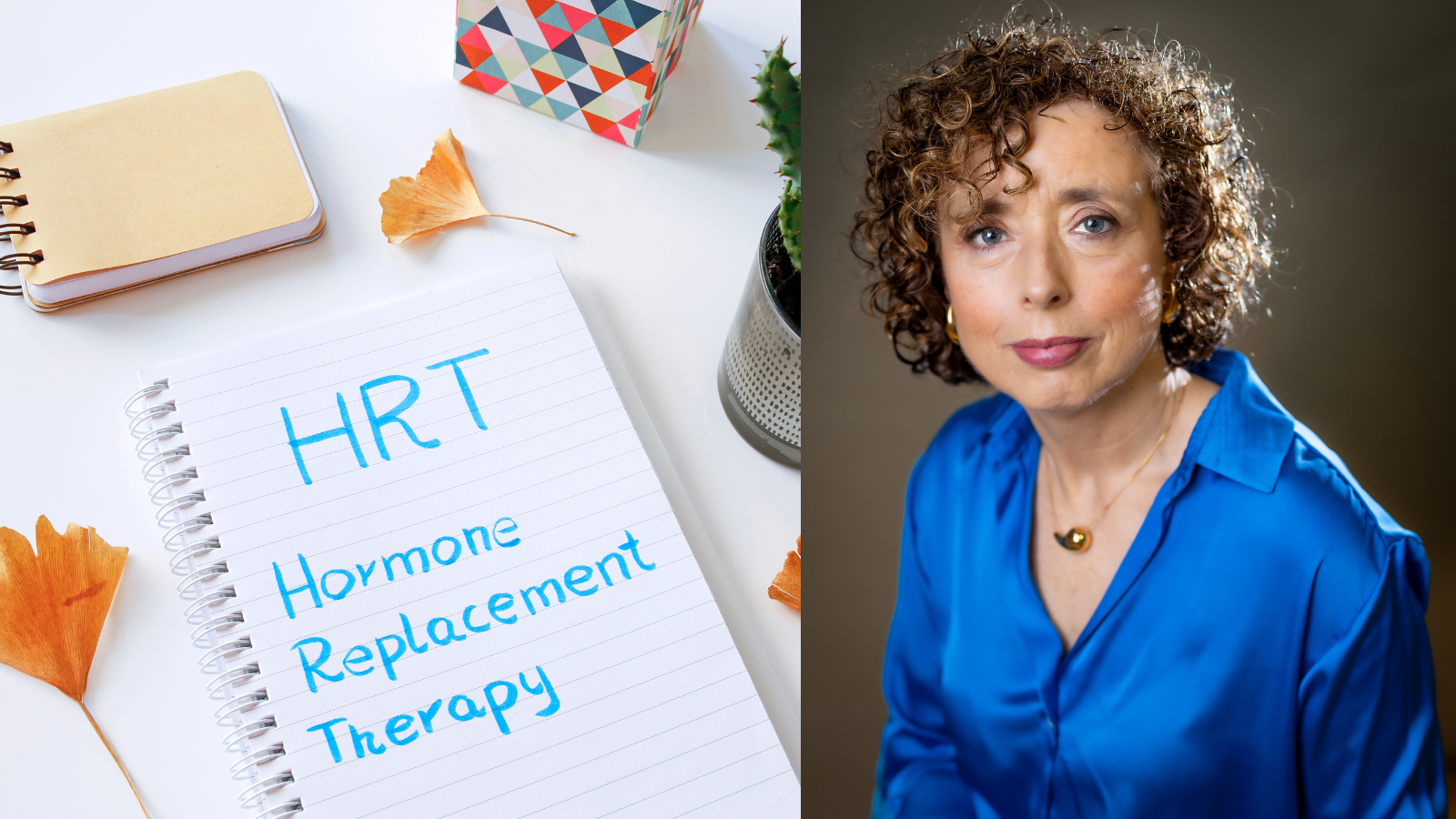
By Dr Linda Kelly MB BCh BAO DRCOG DMH DCH MRCGP, Certificate in Management of Menopause[BMS] – GP with more than 26 yrs extensive experience in women’s health.
Hormone Replacement Therapy (HRT) has come a long way over the past few decades. Yet, despite its proven benefits, many women still feel uncertain or even fearful about using it. In this article, I aim to explain—in clear, simple terms—the history of HRT, the differences between older synthetic hormones and newer body identical hormones, and what HRT can safely offer women during their perimenopause and menopause transition.
A Brief History of HRT
HRT has been around for more than sixty years and has clearly been shown to treat menopausal symptoms, which are estimated to affect at least eighty per cent of women , and the transition from perimenopause to menopause lasting on average 5-7 years. It was first approved in 1942 in America with an oestrogen preparation called Premarin, derived from pregnant horses’ urine, containing a mixture of hormones. Early forms of HRT used synthetic hormones or man-made hormones, which were not identical to those naturally produced by the body. These included compounds derived from animal sources or chemically altered hormones. Until 2002, HRT was used confidently by millions of women world-wide but since the publication of the Women’s Health Initiative trial in July 2002, many women and their healthcare professionals viewed the use of HRT as being of great risk, particularly around breast cancer and heart disease ,despite the fact that it has since been shown that these risks were overestimated or misinterpreted, especially for younger women . When used appropriately in the early years of the menopause (up to age 60) and in some women beyond this age, the benefits outweigh the small risks.
The Issue with Synthetic Hormones
Synthetic hormones are man-made chemicals designed to mimic the hormones your body naturally produces. They differ slightly in structure from the natural hormones and have side effects that our natural hormones do not. The synthetic oestrogen used in both HRT and contraceptive pills is Ethinyl estradiol and various synthetic Progestogens are used .While they can be effective, they may:
- Interact differently with hormone receptors in the body causing mood changes, weight gain,acne
- Be associated with a higher risk of side effects in some women, including venous thromboembolisms [ clots ] and breast cancer.
- Not be as well tolerated as natural alternatives
This doesn’t mean they are unsafe for everyone, but it has led to a shift in preference for many women toward more natural options and the use of body identical hormones.
What Are Body Identical Hormones?
Body identical hormones are chemically identical to the hormones your body produces. Estradiol is the major form of oestrogen that is produced from the ovaries along with Progesterone and Testosterone. They are derived from plant sources such as yams and soya and processed to match human hormones exactly.
These are now widely available on prescription and are considered the gold standard in modern HRT.Benefits of body identical hormones include:
- Better tolerated by many women
- Lower risk of side effects in some cases
- More natural interaction with the body’s hormone receptors
- Flexible delivery options (patches, gels, capsules, etc.)
Symptoms HRT Can Help Relieve
HRT can significantly improve quality of life by relieving many symptoms of perimenopause and menopause, including:
- Hot flushes and night sweats
- Mood swings, anxiety, and low mood
- Brain fog and memory difficulties
- Sleep disturbances
- Vaginal dryness and discomfort
- Reduced libido
- Joint aches and muscle pains
- Fatigue and low energy
Not every woman experiences all these symptoms, but for those who do, HRT can be transformative.
Is HRT Safe?
For most women, HRT is safe, especially when started under the age of 60 or within 10 years of menopause. The risks are low for the majority of women.
Body identical HRT is generally considered safer than older synthetic forms.
Importantly, the fear surrounding HRT has largely been based on outdated information. Modern evidence supports its safety when appropriately prescribed.
Long-Term Benefits of HRT
Beyond symptom relief, HRT offers several important long-term health benefits:
- Bone health: Reduces the risk of osteoporosis and fractures
- Heart health: May lower the risk of cardiovascular disease when started early
- Brain health: Emerging evidence suggests a protective role against cognitive decline
- Urogenital health: Helps maintain bladder and vaginal health
These benefits highlight that HRT is not just about managing symptoms—it can also support overall long-term wellbeing.
How Long Can HRT Be Taken?
There is no fixed time limit for HRT use.
Many women use HRT for several years to manage symptoms
Others choose to continue longer for ongoing health benefits
The decision should be individualised, based on symptoms, health risks, and personal preference
Modern hormone replacement is used to treat symptoms resulting from hormone deficiency and fluctuating hormone levels. HRT is a safe, effective, and increasingly personalised treatment that can dramatically improve both quality of life and long term health for women.
If you are struggling with symptoms, I would strongly encourage you to seek advice. The right treatment can make all the difference.
You can book an in-clinic consultation with Dr Kelly here – https://solastahealthcare.com/in-clinic-menopause-consultation/
Contact Details
Solasta Healthcare
Unit 70, The Boulevard
Cascum Road
Banbridge
BT32 4LF
NI: 028 40 648 486
ROI: +353 1906 1950
Email: info@solastahealthcare.com
Website: www.solastahealthcare.com